





Turning complexity into performance
Tishman Speyer manages one of the most diverse commercial real estate portfolios in the world, yet each business line inside was marketing itself in (and into) isolation. This case study outlines how we transformed their go-to-market approach, replacing three disconnected CRMs and dozens of one-off campaigns with a single account-based growth engine, and the standout results that followed.
Outcome
The program increased brand campaign reach by 180% while reducing CPM by 65%.
Programmatic conversions rose 371% quarter over quarter, while cost per acquisition fell 71%.
Capital-raising campaigns more than doubled conversions and dropped CPA from $84 to under $13.
The brand target account list grew to reach 5x more accounts than before, and three new verticals, namely AI, Universities, and Sports, launched within the program in the same quarter.
Tishman Speyer ended the pilot with one unified measurement framework across a portfolio that had never had one before. Marketing began providing the business with a view into which organizations were in market in real time.
Problem
Each business line at Tishman Speyer served a different audience and ran its own campaigns from scratch, using three separate CRMs with no unified approach to segmentation or measurement. Leadership recognized that serious revenue and growth opportunities were left on the table, but the firm’s existing tech stack could not support a cohesive go-to-market motion.
Solution
We built a custom account-based marketing system using adaptable components suited to Tishman Speyer’s existing infrastructure. Partnering with Bombora and Clay allowed for targeting and audience intelligence, and Octane11 for closed-loop measurement. Leveraging our platform relationships, we replaced isolated campaigns with a single program using account-level engagement and business signals to continuously refine targeting, messaging, and investment.
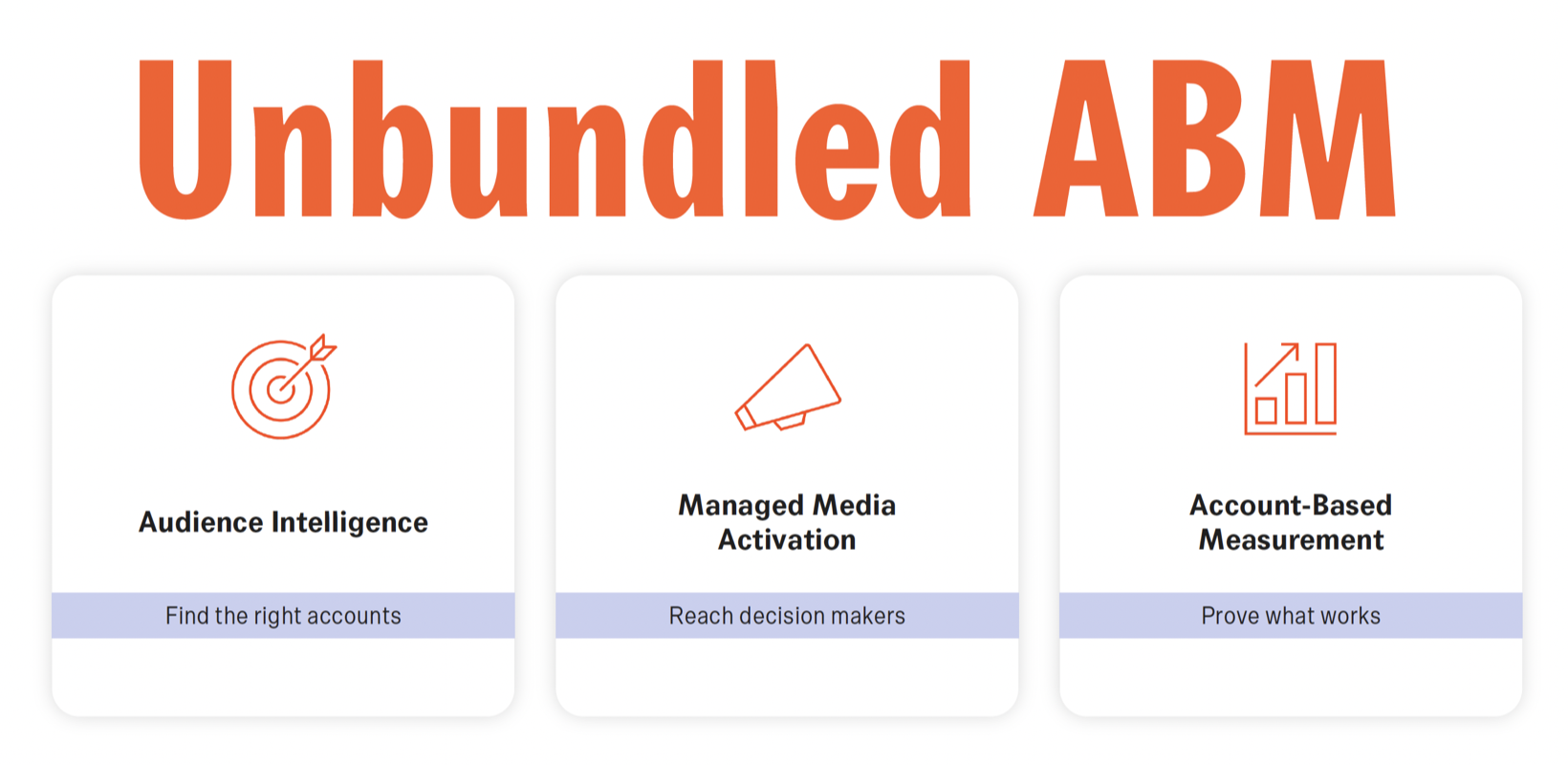
Strategy & Objective
Our objective was to create a single marketing program capable of engaging high-value accounts across long buying cycles, something that no campaign-by-campaign approach could effectively support at this scale.
The program also needed to go beyond just awareness building. It needed to show, in real time, which organizations were entering the market, what challenges they were looking to solve, and how those needs changed as buying cycles progressed. We designed the program with these priorities in mind.
Execution
Turning our strategy into a working program meant rebuilding how Tishman Speyer went to market, account by account.
First, we expanded Tishman Speyer’s target account lists across strategic growth sectors, including higher education, sport and multi-use developments, artificial Intelligence and financial service. We then built tailored messaging designed to meet the unique needs of each audience.
Second, we shifted creative from promoting physical buildings to communicating the outcomes clients sought from real estate investments: stronger collaboration, innovation, placemaking, investment performance, and community impact.
Third, we implemented an advanced measurement framework combining GTM tracking, expanded conversion pixels, and Octane11 account intelligence. This framework gave us visibility into account engagement throughout the customer journey and allowed optimization decisions to weigh business actions more heavily than media metrics alone.
It also solved a key challenge within Tishman Speyer itself. A program of this complexity meant our stakeholders needed a way to tell their own leadership whether it was working and whether the investment was paying off. A unified measurement framework gave them the ability to do that accurately and with confidence.
The program combined LinkedIn, programmatic media, executive thought leadership, account-based targeting, and advanced measurement into a single marketing ecosystem. We continuously refined target account lists using engagement data, concentrating investment on organizations showing meaningful buying signals.
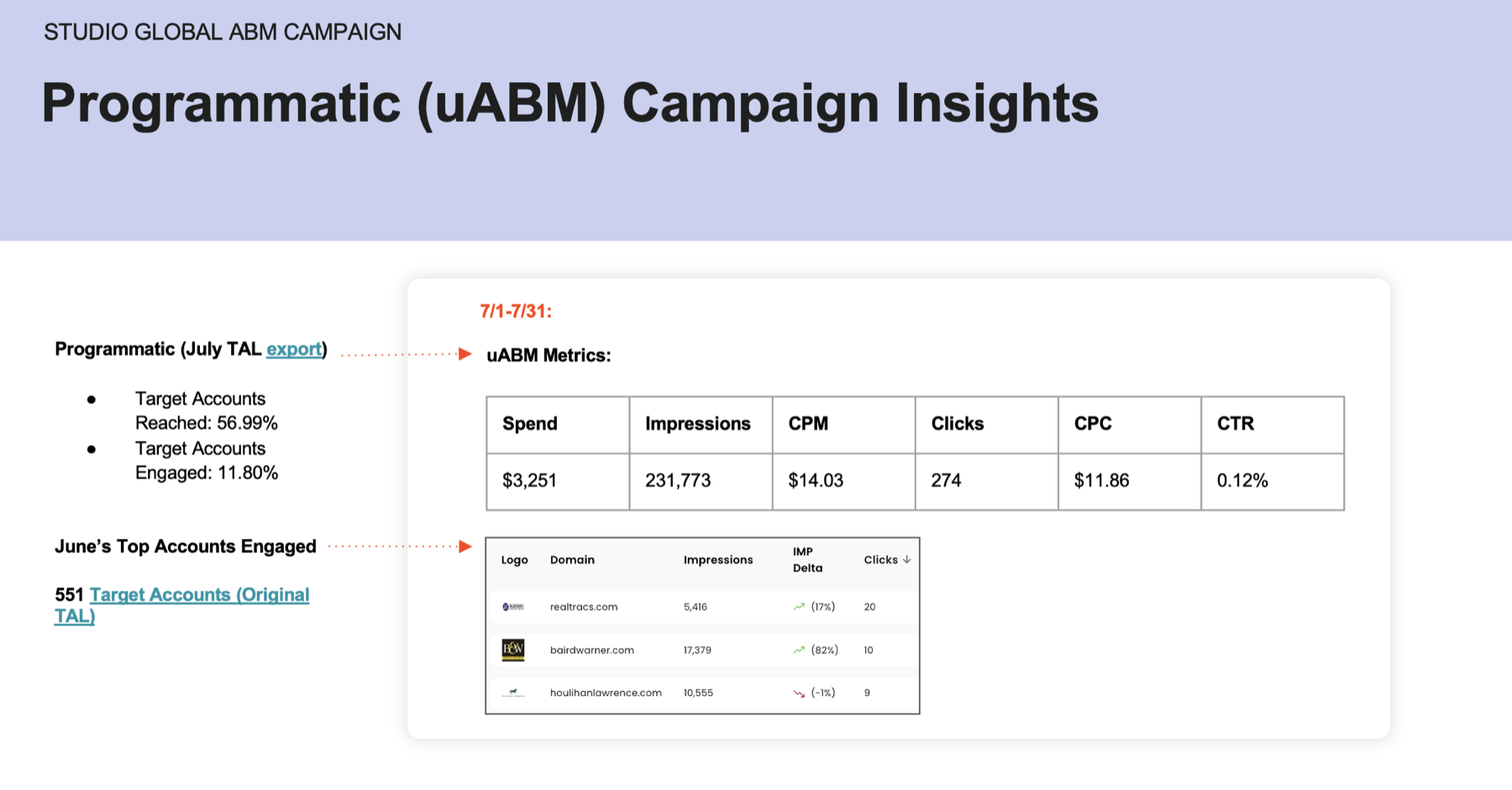
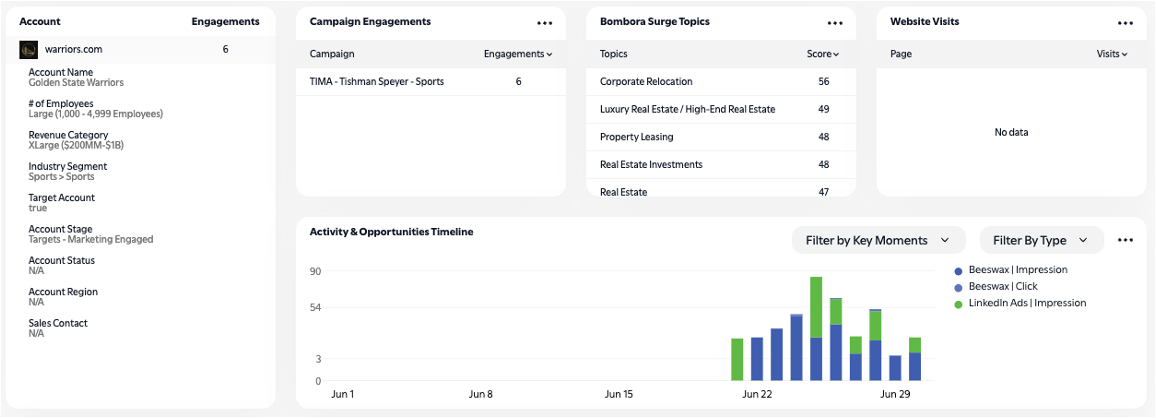
Creative evolved as performance insights emerged. Studio campaigns focused on collaboration and workplace experience. University campaigns positioned Tishman Speyer as a long-term partner in campus innovation. Sports campaigns reframed developments as connected entertainment ecosystems. Executive thought leadership strengthened credibility and authority with institutional investors and capital markets audiences.
As the program got better, it got faster, too.

A structured testing framework guided everything we did. We systematically evaluated audience strategies, contextual targeting, bid strategies, brand incrementality, creative concepts, and conversion optimization. One incrementality test showed that layering brand messaging on top of product campaigns expanded account reach by five percentage points while account-level engagement held steady, proving the additional layer increased reach without diluting quality.
Each test created a new learning opportunity to guide future campaign decisions, leading the program to grow more efficient over time. That efficiency enabled the launch of three new verticals in a single quarter.
The same measurement also caught a real issue early on. When investor page views rose 25% in Q1 even as leads fell, the team used that signal to prioritize a creative refresh over increasing media spend. Our learning system caught friction early and adapted our approach to continually drive better outcomes.
Results
Results moved in the same direction across nearly every business line: greater reach, more efficient spend, and stronger conversion performance, with some of the biggest gains coming from the smallest budgets.
Reach and account coverage
- Increased account reach across nearly every business line, including achieving 99% account reach for newly launched University campaigns
- Expanded the addressable account universe by introducing three new strategic growth verticals: AI, Universities, and Sports.
- Grew the Brand target account list to reach 5x more accounts
Efficiency and conversion
- Increased brand campaign reach by 180% while reducing CPM by 65%
- Increased programmatic conversions to engaged page views by 371% quarter over quarter while reducing cost per acquisition by 71%
- Studio Global improved LinkedIn CTR by 48% while generating 232% more programmatic conversions through ongoing optimization
- Sports campaigns tripled conversions (EPV), despite reducing display investment by 44%
- Capital-raising campaigns more than doubled conversions while reducing display spend by 67% and lowering CPA for engaged page views from $84 to under $13
Marketing became a source of strategic insight that shaped future messaging, investment, and business development priorities.
These standout results sat above a major structural change: a unified measurement framework that shifted optimization away from awareness metrics toward meaningful business outcomes across Tishman Speyer’s full portfolio.
Account engagement became the core metric guiding the entire program: a stronger signal than impressions, clicks, or lead counts ever provided. Combining account-level engagement data with audience intelligence and conversion tracking let us see which organizations were interacting with Tishman Speyer and how their interests changed over time.
Those signals, in turn, revealed broader market trends. University audiences responded more strongly to messaging about innovation districts and campus ecosystems than to standalone developments. Sports organizations engaged more with integrated mixed-use destinations than with traditional venue-focused messaging. Executive thought leadership consistently outperformed conventional brand advertising, reinforcing credibility with institutional audiences.
Takeaway
Commercial real estate decisions are shaped by complex buying committees, long investment cycles, and evolving business priorities. Broad awareness alone doesn’t reach the right organizations. It takes an understanding of who is entering the market, what challenges they are trying to solve, and how those needs change over time.
This program shows how B2B marketing can operate as a strategic growth capability within a business this complex. Combining account-based strategy, insight-driven creative, omnichannel activation, and advanced measurement gave Tishman Speyer a marketing engine that learns from market behavior, improves campaign performance, and informs future business strategy. The program also gave Tishman Speyer’s team a clear, honest way to tell that story to leadership.
Tishman Speyer now has a scalable framework for finding opportunity, engaging the right accounts, and supporting growth across one of the industry’s most diverse commercial real estate portfolios.


